
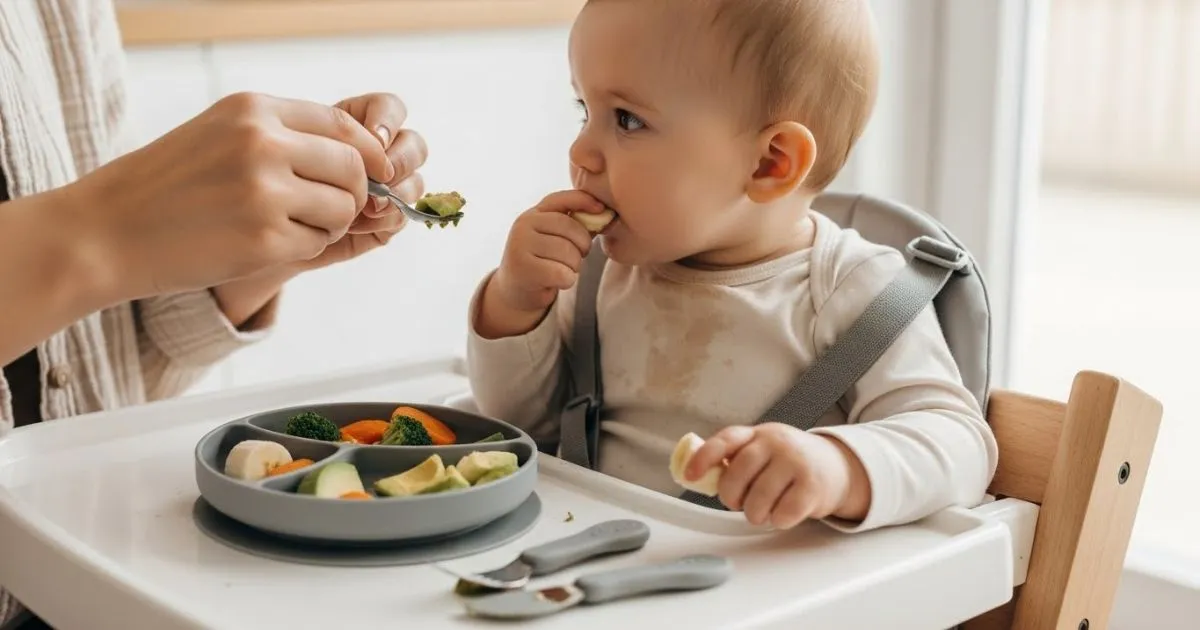
Making Baby-Led Weaning Safe, Simple, and Joyful
Starting solids with your baby is an exciting milestone, but if you’re a first-time parent, the idea of baby-led weaning (BLW) might feel overwhelming. Will my baby choke? What foods are safe? Do I really need special tools?
Here’s the good news: baby-led weaning can be a wonderful, messy, confidence-building experience for both you and your little one. When done with the right knowledge, safety practices, and helpful tools, BLW encourages independence, develops motor skills, and introduces your baby to a variety of flavors and textures from the start.
In this guide, we’ll walk you through everything you need to know about baby-led weaning in 2026, including the best BLW feeding tools available on Amazon, essential safety guidelines, and easy recipes that work beautifully for beginners. Whether you’re just exploring the idea or ready to dive in, this parent-approved resource will help you feel prepared and confident.
If you’re preparing for the transition from first solids to toddler meals, this guide on Silicone Plates: 3 Expert Recommendations for Picky Eaters covers everything you’ll need.
Table of Contents
What Is Baby-Led Weaning?
Baby-led weaning is an approach to introducing solid foods where babies feed themselves from the very beginning, rather than being spoon-fed purees by a caregiver. Instead of starting with smooth baby food, you offer soft, appropriately sized pieces of real food that your baby can grasp and bring to their mouth.
👉 Click here to view The Big Book of Organic Baby Food and explore hundreds of organic recipes for babies and toddlers.
When to Start Baby-Led Weaning
Most pediatric guidelines, including those from the American Academy of Pediatrics (AAP), recommend introducing solid foods around six months of age. Before starting BLW, your baby should be able to:
- Sit up independently with minimal support
- Show interest in food and reach for it
- Bring objects to their mouth
- Have lost the tongue-thrust reflex that pushes food out of the mouth
Always consult with your pediatrician before starting solids to ensure your baby is developmentally ready.
Benefits of Baby-Led Weaning
Research and parent experiences suggest several potential benefits of BLW:
- Motor skill development: Grasping, chewing, and self-feeding support fine motor coordination
- Exposure to textures: Babies experience real food textures from the start, which may reduce pickiness later
- Family meals: BLW allows babies to join family mealtimes and eat modified versions of what everyone else is eating
- Independence: Babies control what and how much they eat, which can support healthy eating habits
- Reduced mealtime stress: Many parents find BLW less stressful than traditional spoon-feeding once they understand the safety guidelines
That said, BLW isn’t the only way to introduce solids, and many families use a combination approach. The key is finding what works for your family.
Best Baby-Led Weaning Tools for 2026
Having the right tools makes baby-led weaning easier, safer, and less messy. Here are the essential BLW feeding tools that parents consistently recommend in 2026.
1. Silicone Feeding Sets (BPA-Free)
Why You Need Them: Silicone feeding sets designed for baby-led weaning typically include suction plates, bowls, and utensils made from food-grade silicone. These tools are soft, safe for teething gums, and free from harmful chemicals like BPA, PVC, and phthalates.
Benefits:
- Heat-resistant and dishwasher-safe for easy cleaning
- Soft texture won’t hurt sensitive gums
- Durable and long-lasting through multiple children
- Come in fun colors that appeal to babies
Buying Tips: Look for sets labeled “food-grade silicone” or “100% silicone.” Check reviews to ensure the suction feature works well on your table or high chair tray. Many parents prefer sets that are microwave-safe for reheating foods.
2. Suction Bowls For Baby and Plates
Why You Need Them: Suction bowls and plates stick firmly to high chair trays and tables, preventing your baby from flinging dishes across the room. This is one of the most parent-approved tools for reducing mealtime mess.
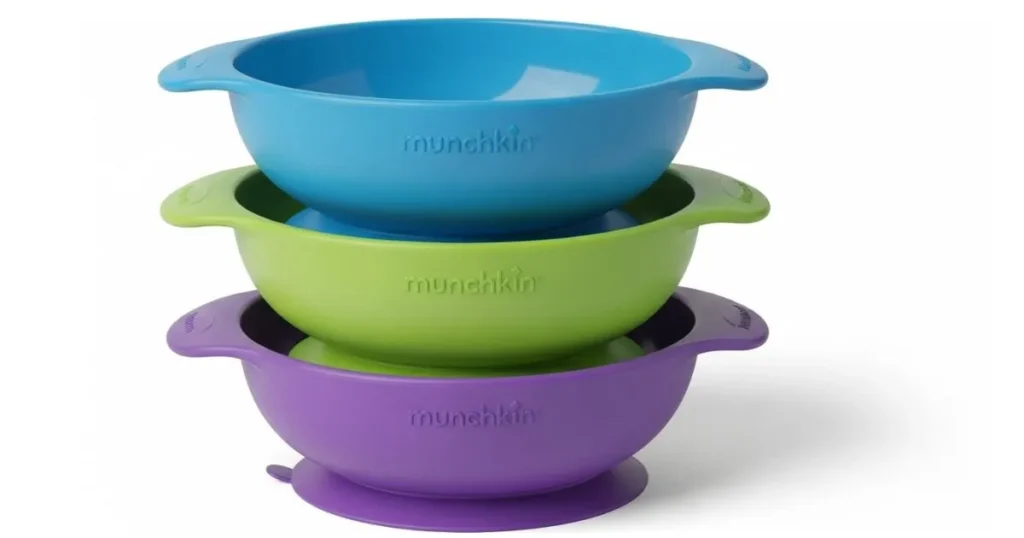
Benefits:
- Strong suction keeps dishes in place during early self-feeding attempts
- Divided sections help with portion control and food variety
- Easy to release when you’re ready to clean up
- Stackable for convenient storage
Safety Reasons: By staying put, suction dishes reduce frustration for babies learning to scoop and grab, and they prevent dishes from becoming projectiles.
Buying Tips: Choose bowls with strong, reliable suction. Read recent reviews to ensure the suction feature hasn’t degraded over time. Look for divided plates that make it easy to offer multiple foods at once.
👉 Click here to explore Munchkin Stay Put Suction Bowls for Baby and Toddler on Amazon.
Search on Amazon: “suction baby bowls baby led weaning”
3. Soft-Grip Baby Spoons
Why You Need Them: Even with baby-led weaning, many families introduce baby-safe spoons early on. Soft-grip spoons with short, wide handles are easier for little hands to hold, and they’re gentle on gums.
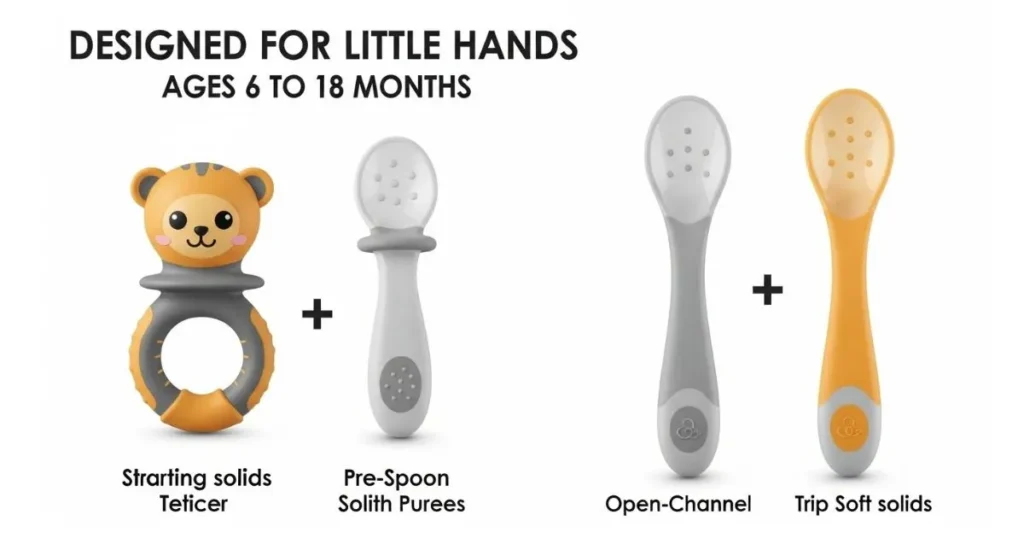
Benefits:
- Ergonomic design fits small hands
- Soft silicone tips protect tender mouths
- Help babies practice scooping thick foods like yogurt or oatmeal
- Some are temperature-sensitive and change color if food is too hot
Buying Tips: Look for spoons with chunky, easy-to-grasp handles. Avoid long or thin handles that are difficult for babies to control. Many parents prefer flat spoons over deep ones for easier scooping.
👉See parent-approved soft-grip baby spoons suitable for baby-led weaning.
4. Bibs with Food Catchers
Why You Need Them: Baby-led weaning is messy, especially in the beginning. Bibs with built-in food catchers or pockets save you time on cleanup and reduce food waste by catching dropped pieces.
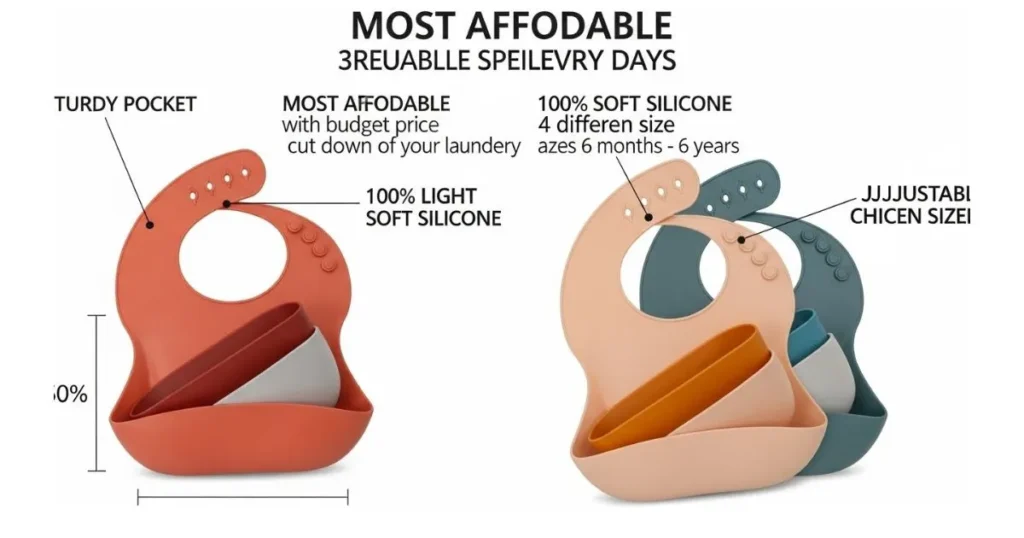
Benefits:
- Wide pocket catches food before it hits the floor
- Waterproof materials keep clothing clean and dry
- Easy to wipe down or rinse after meals
- Adjustable neck closures grow with your baby
Safety Reasons: Bibs with soft, flexible materials are safer than stiff plastic that could irritate sensitive skin. Avoid bibs with small detachable parts that could pose choking hazards.
Buying Tips: Choose bibs made from silicone or waterproof fabric. Many parents love silicone bibs because they’re incredibly easy to clean and dry quickly. Look for bibs that can be rolled up for travel.
👉 Click here to explore bibs with food catchers designed for baby-led weaning
5. Baby Food Steamers
Why You Need Them: Steaming vegetables, fruits, and proteins is one of the easiest ways to prepare soft, baby-safe foods for BLW. A dedicated baby food steamer makes batch-cooking simple and preserves nutrients.
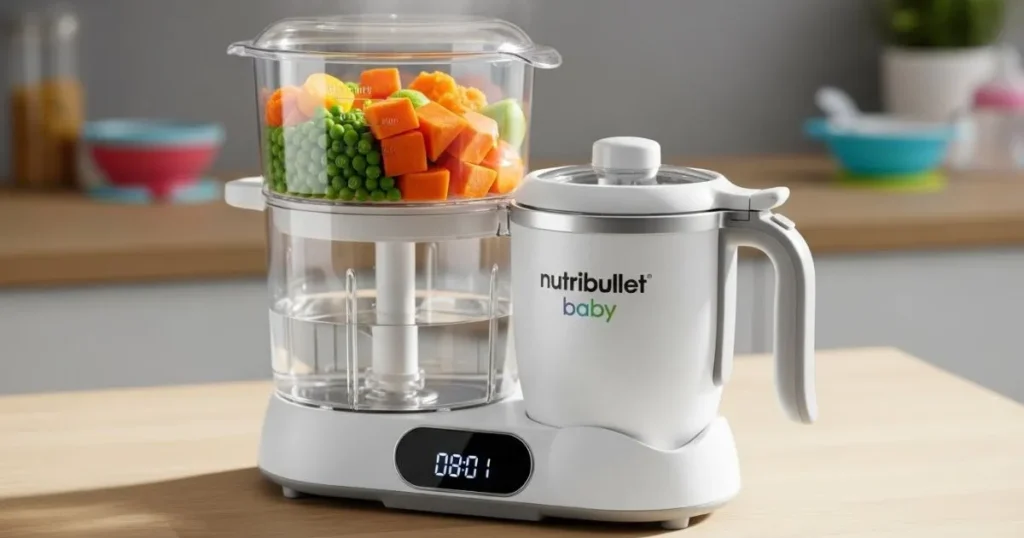
Benefits:
- Steams food to the perfect soft texture without overcooking
- Many models include blending attachments for combination feeding
- Timer functions prevent overcooking
- BPA-free and easy to clean
Buying Tips: Consider whether you want a dedicated baby food steamer or a multi-function appliance. Some steamers also puree, which is helpful if you’re doing a mix of BLW and traditional feeding. Read reviews about capacity and cooking time.
👉 Click here to explore BPA-free baby food steamers suitable for baby-led weaning on Amazon.
Baby-Led Weaning Safety Guidelines
Safety is the top concern for parents starting BLW, and rightly so. Here are essential safety practices to follow:
Choking vs. Gagging
It’s important to understand the difference between gagging and choking. Gagging is a normal, protective reflex where the baby coughs or makes noise while moving food around in their mouth. Choking is silent and occurs when the airway is blocked.
Gagging (normal and expected):
- Baby makes noise, coughs, or sputters
- Face may turn red temporarily
- Baby is actively trying to move or expel food
Choking (emergency):
- Silent or unable to cry
- Cannot breathe or make sounds
- Turns blue
- Appears panicked
If gagging occurs, stay calm and let your baby work through it. Do not reach into their mouth. If choking occurs, call 911 immediately and perform infant CPR if trained.
Safe Food Guidelines
- Size and shape: Offer foods in sizes your baby can grasp (about the size of an adult finger) and shapes that aren’t round or coin-shaped
- Texture: Foods should be soft enough to squish between your thumb and finger
- Avoid high-risk foods: Never offer whole grapes, nuts, popcorn, hot dogs, hard candies, raw vegetables, or anything round and firm
- Supervision: Always supervise your baby during meals and stay within arm’s reach
- Proper positioning: Baby should be sitting upright in a high chair, never reclined or in a car seat while eating
Additional Safety Tips
- Take an infant CPR course before starting solids
- Learn to recognize signs of food allergies
- Introduce one new food at a time and wait a few days before introducing another
- Consult your pediatrician about introducing common allergens like peanuts, eggs, and dairy
- Never leave your baby alone while eating
Easy Baby-Led Weaning Recipes for 2026
These simple BLW recipes use common ingredients and require minimal prep time. All recipes create soft textures appropriate for babies starting solids.
1. Sweet Potato Wedges
Ingredients:
- 1 medium sweet potato
- Olive oil (optional)
Instructions: Wash and peel the sweet potato. Cut into thick wedges (about finger-width). Steam for 12-15 minutes until very soft. Let cool to room temperature. Serve plain or with a tiny brush of olive oil.
Why It Works: Sweet potatoes are naturally sweet, nutrient-dense, and soft enough for gumming. The wedge shape is easy for babies to grasp with their whole hand.
2. Banana Oat Pancakes
Ingredients:
- 1 ripe banana
- 1 egg
- 2 tablespoons oat flour or finely ground oats
Instructions: Mash the banana in a bowl. Whisk in the egg and oat flour until combined. Heat a non-stick pan over medium-low heat. Pour small circles of batter and cook until bubbles form, then flip. Cook until golden. Cut into strips when cooled.
Why It Works: These pancakes are soft, easy to hold, and make great finger foods. They’re also freezer-friendly for meal prep.
3. Avocado Slices
Ingredients:
- 1 ripe avocado
Instructions: Cut the avocado in half, remove the pit, and slice into thick wedges. Leave a bit of skin on one end to give your baby something to grip, or roll slices in crushed cereal or ground oats to reduce slipperiness.
Why It Works: Avocados are loaded with healthy fats for brain development and are naturally soft.
4. Steamed Broccoli Florets
Ingredients:
- Fresh broccoli florets with stems
Instructions: Steam broccoli florets for 8-10 minutes until very soft. Let cool. Serve with the stem intact so babies can use it as a handle to grip the floret.
Why It Works: The tree-like shape is fun for babies, and the stem provides a natural handle. Broccoli introduces a slightly bitter vegetable flavor early on.
5. Soft Scrambled Eggs
Ingredients:
- 1-2 eggs
- Splash of breast milk, formula, or water
Instructions: Whisk eggs with liquid. Cook over low heat, stirring frequently, until very soft and fluffy. Let cool and serve in small clumps or rolled into a strip.
Why It Works: Eggs are protein-rich and easy to prepare. They also introduce a common allergen early, which current guidelines suggest may reduce allergy risk. Consult your pediatrician about introducing eggs.
6. Roasted Carrot Sticks
Ingredients:
- 2-3 medium carrots
- Olive oil (optional)
Instructions: Peel carrots and cut into thick sticks. Toss lightly in olive oil if desired. Roast at 400°F for 25-30 minutes until very soft. Test with a fork before serving.
Why It Works: Roasting brings out natural sweetness. The stick shape is perfect for little hands.
Why the Right Tools Make BLW Easier for Parents
Baby-led weaning is an adjustment for the whole family. Having quality tools designed specifically for self-feeding makes the transition smoother in several ways:
Reduces Cleanup Time: Suction plates and bowls stay put, and silicone bibs catch most dropped food. This means less time on your hands and knees after every meal.
Builds Confidence: When you have the right safety tools and know your baby is using age-appropriate utensils and dishes, you’ll feel more confident during mealtimes.
Supports Independence: Tools designed for small hands help babies succeed at self-feeding faster, which builds their confidence and reduces frustration.
Makes Prep Easier: Kitchen tools like food steamers simplify batch cooking, so you can prepare a week’s worth of BLW foods in one session.
Saves Money Long-Term: Quality BLW tools last through multiple children and reduce food waste by making mealtime more successful.
Many parents report that investing in a few key tools upfront made baby-led weaning far more enjoyable and less stressful than they anticipated.
Frequently Asked Questions About Baby-Led Weaning
Can I do baby-led weaning if my baby doesn’t have teeth yet?
Yes. Babies don’t need teeth to start baby-led weaning. They use their gums to mash soft foods effectively. Most babies start BLW around six months, often before teeth appear. As long as foods are soft enough to squish between your fingers, your baby’s gums can handle them.
What’s the difference between baby-led weaning and traditional weaning?
Traditional weaning typically starts with spoon-fed purees that gradually thicken over time. Baby-led weaning skips purees and starts with soft, whole foods that babies self-feed from the beginning. Some families use a combination approach, offering both purees and finger foods.
How do I know if my baby is eating enough with BLW?
In the early months of BLW, most nutrition still comes from breast milk or formula. Solid foods are for practice and exploration. Babies will eat very small amounts at first and gradually increase intake over time. Monitor your baby’s wet diapers, growth, and overall demeanor. Consult your pediatrician if you have concerns about nutrition or growth.
What are the best first foods for baby-led weaning?
Great first foods include steamed sweet potato, avocado, banana, well-cooked pasta, soft meat strips, and steamed broccoli or carrots. Choose foods that are naturally soft or become soft when cooked, cut them into appropriate shapes, and introduce them one at a time.
Is baby-led weaning safe for all babies?
Most babies can safely do baby-led weaning when they meet developmental readiness signs. However, babies with certain medical conditions, developmental delays, or those born prematurely should be evaluated by a pediatrician before starting BLW. Always consult your child’s doctor before beginning solid foods.
How messy is baby-led weaning really?
Very messy, especially in the first few months. Babies will squish, drop, and smear food as they explore textures and practice motor skills. This is completely normal and part of the learning process. Invest in good bibs, an easy-to-clean high chair, and a washable floor mat, and remember that the mess is temporary.
Ready to Start Your BLW Journey?
If you’re ready to explore baby-led weaning tools, we encourage you to check current prices and read recent parent reviews on Amazon. Look for products with high ratings and verified purchase reviews from parents who have used them through the entire BLW phase.
Remember that every baby is different, and what works for one family might not work for another. Start with a few essential tools, follow safety guidelines, and be patient with yourself and your baby during this exciting learning process.
Baby-led weaning
Starting baby-led weaning might feel intimidating, but thousands of parents successfully navigate this journey every year. With the right information, quality tools, and a sense of humor about the inevitable mess, you’ll find that BLW can be a joyful way to introduce your baby to the world of food.
Trust your instincts, follow your pediatrician’s guidance, and remember that every dropped piece of food and every new texture is helping your baby develop important skills. The early days of baby-led weaning are just the beginning of a lifetime of healthy eating habits.
You’re doing a great job, and your baby is lucky to have a parent who cares enough to research and prepare for this milestone. Happy feeding, and enjoy watching your little one discover the joy of food!
If you’re looking for a practical, non-toxic feeding solution that supports calmer mealtimes, you can check the available colors and current pricing for WeeSprout Silicone Suction Plates directly on Amazon.
1 thought on “Best Baby-Led Weaning Tools and Easy Recipes for 2026 (Parent-Approved Picks)”
Comments are closed.