
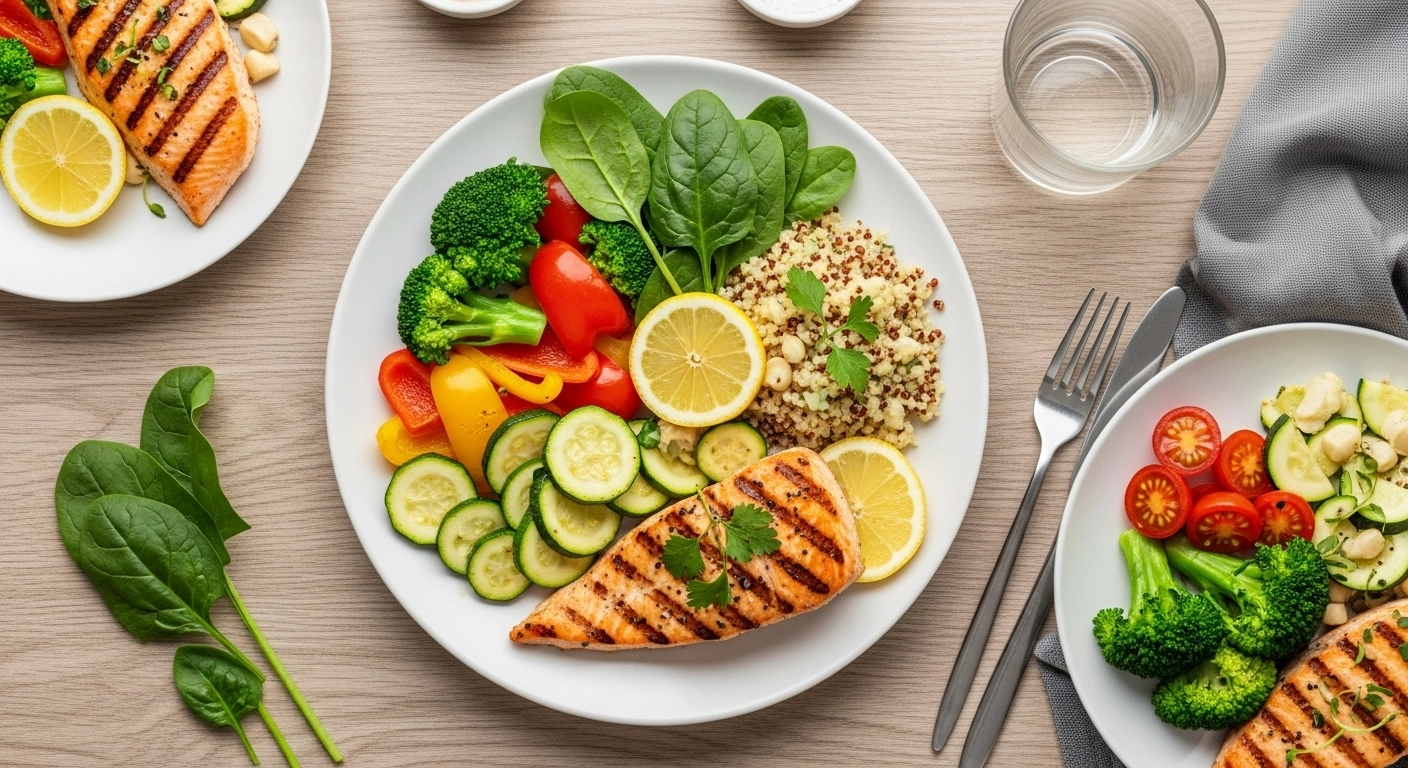
Are you searching for satisfying meals that support your weight loss goals without leaving you hungry? Low calorie high protein meals are the answer. These nutrient-dense dishes help you feel fuller longer, maintain lean muscle mass, and keep your metabolism running efficiently—all while staying within your calorie budget.
Whether you’re meal prepping for the week, cooking dinner for the family, or looking for quick lunch ideas, high-protein, low-calorie meals offer the perfect balance of nutrition and flavor. In this guide, you’ll discover why protein matters, practical tips for creating delicious meals, and ten easy recipes that deliver big on taste and nutrition without the extra calories.
Why Low Calorie High Protein Meals Are So Effective
Protein plays a crucial role in nearly every function of your body, from building and repairing tissues to creating enzymes and hormones. When it comes to weight management and overall health, protein offers several key benefits that make it particularly valuable.
If you’re looking for more inspiration, explore our guide to healthy easy dinner ideas featuring 18 family-friendly meals that are simple, nutritious, and perfect for busy weeknights
Table of Contents
Protein and Satiety: Why You Feel Full Longer
One of protein’s most important advantages is its ability to promote satiety. Unlike carbohydrates, which can leave you hungry shortly after eating, protein helps you feel fuller for longer periods. This natural appetite control can reduce snacking between meals and help you stick to your calorie goals without constantly fighting cravings.
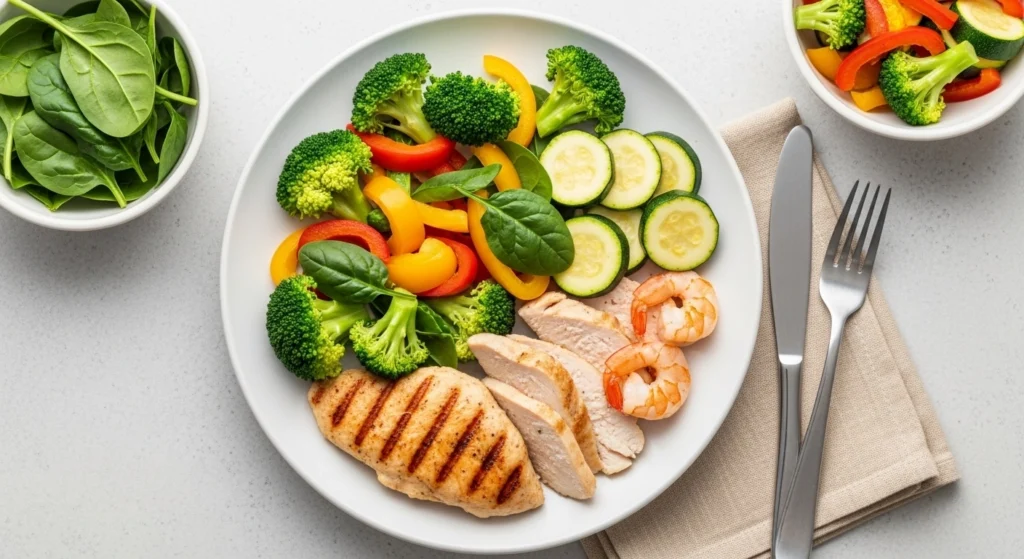
Protein Intake and Muscle Preservation During Weight Loss
When you’re cutting calories to lose weight, your body needs adequate protein to preserve lean muscle mass. Muscle tissue is metabolically active, meaning it burns calories even when you’re at rest. By maintaining muscle through sufficient protein intake, you support a healthy metabolism and avoid the sluggish feeling that sometimes accompanies weight loss.
The Thermic Effect of Protein Explained
Protein has a higher thermic effect compared to fats and carbohydrates, which means your body burns more calories digesting and processing it. This metabolic boost, combined with protein’s role in preserving muscle mass, makes it an essential component of any healthy eating plan focused on weight management.
Research suggests that including adequate protein in your diet can support these goals effectively when combined with regular physical activity and a balanced approach to nutrition.
10 Low Calorie High Protein Meals You’ll Love
Here are ten delicious, nutritious recipes that prove healthy high protein recipes don’t have to be boring or complicated. Each meal provides substantial protein while keeping calories in check.
1. Grilled Lemon Herb Chicken with Roasted Vegetables
This classic lean protein dinner idea is perfect for busy weeknights and meal prep alike.
Main Ingredients: Skinless chicken breast, lemon, fresh herbs (rosemary, thyme), broccoli, bell peppers, zucchini, olive oil spray
Nutritional Profile: Approximately 300 calories, 40g protein per serving
Why It’s Healthy: Chicken breast is one of the leanest protein sources available, providing essential amino acids with minimal fat. The colorful vegetables add fiber, vitamins, and minerals while keeping the calorie count low. Grilling the chicken and roasting the vegetables with minimal oil creates maximum flavor without excess calories.
2. Turkey and Black Bean Lettuce Wraps
These wraps are refreshing, portable, and ideal for low calorie meals for weight loss that the whole family will enjoy.
Main Ingredients: Lean ground turkey, black beans, romaine lettuce leaves, diced tomatoes, Greek yogurt, cilantro, lime juice
Nutritional Profile: Approximately 280 calories, 35g protein per serving
Why It’s Healthy: Using lettuce as a wrap eliminates empty carbs while adding crunch and freshness. The combination of turkey and black beans provides complete protein along with fiber that aids digestion and increases satiety. Greek yogurt replaces higher-calorie sour cream for a tangy topping.
3. Baked Cod with Cauliflower Rice Pilaf
Fish offers lean protein with heart-healthy omega-3 fatty acids, making this a nutritious dinner option.
Main Ingredients: Cod fillets, riced cauliflower, onions, garlic, vegetable broth, lemon, herbs
Nutritional Profile: Approximately 250 calories, 38g protein per serving
Why It’s Healthy: Cod is incredibly low in calories and fat while being rich in protein. Cauliflower rice provides the texture of traditional rice with a fraction of the calories and additional vegetables to your plate. This combination creates a satisfying meal that supports weight management goals.
4. Protein-Packed Egg White Vegetable Frittata
Perfect for breakfast, lunch, or dinner, this versatile dish is excellent for high protein meal prep.
Main Ingredients: Egg whites, whole eggs, spinach, mushrooms, tomatoes, low-fat feta cheese, onions
Nutritional Profile: Approximately 220 calories, 28g protein per serving
Why It’s Healthy: Using mostly egg whites with a couple of whole eggs reduces calories and fat while maintaining high protein content. The vegetables add volume, fiber, and nutrients without many calories. Make a large frittata on Sunday and enjoy portions throughout the week for easy, nutritious meals.
5. Asian-Inspired Shrimp Stir-Fry
This quick and colorful dish brings restaurant-quality flavor to your healthy family meals rotation.
Main Ingredients: Large shrimp, snap peas, carrots, bell peppers, garlic, ginger, low-sodium soy sauce, rice vinegar
Nutritional Profile: Approximately 270 calories, 36g protein per serving
Why It’s Healthy: Shrimp is naturally low in calories and high in protein, making it ideal for weight management. The variety of vegetables provides essential nutrients and fiber. Using minimal oil and relying on aromatic ingredients like garlic and ginger creates bold flavors without excess calories.
6. Greek Yogurt Chicken Salad with Mixed Greens
This lighter take on chicken salad is perfect for meal prep lunches throughout the week.
Main Ingredients: Grilled chicken breast, plain Greek yogurt, celery, grapes, almonds, Dijon mustard, mixed salad greens
Nutritional Profile: Approximately 310 calories, 42g protein per serving
Why It’s Healthy: Replacing mayonnaise with Greek yogurt dramatically reduces calories while actually increasing protein content. The grapes add natural sweetness, celery provides crunch, and a small amount of almonds contributes healthy fats and texture. Serve over mixed greens for additional nutrients and fiber.
7. Slow Cooker Turkey Chili
This comforting dish is a family favorite that happens to be one of the best healthy high protein recipes for feeding a crowd.
Main Ingredients: Lean ground turkey, kidney beans, tomatoes, bell peppers, onions, garlic, chili powder, cumin
Nutritional Profile: Approximately 290 calories, 32g protein per serving
Why It’s Healthy: The combination of lean turkey and beans provides substantial protein and fiber that keeps you satisfied for hours. Making it in a slow cooker allows flavors to develop without added fats. This dish freezes beautifully, making it perfect for batch cooking and future quick meals.
8. Baked Tofu and Vegetable Sheet Pan Dinner
For those seeking plant-based options, this recipe proves that low calorie high protein meals don’t require animal products.
Main Ingredients: Extra-firm tofu, broccoli, Brussels sprouts, sweet potato, sesame oil, tamari, garlic powder
Nutritional Profile: Approximately 320 calories, 24g protein per serving
Why It’s Healthy: Tofu is an excellent plant-based protein source that absorbs the flavors it’s cooked with. Baking tofu creates a firmer texture many people prefer. The vegetables provide fiber, vitamins, and minerals while keeping the dish nutrient-dense but calorie-light. Sheet pan dinners also minimize cleanup, making healthy eating more convenient.
9. Spicy Tuna Poke Bowl
Inspired by Hawaiian cuisine, this fresh and flavorful bowl is both nutritious and Instagram-worthy.
Main Ingredients: Sushi-grade tuna, cucumber, edamame, avocado, cauliflower rice, seaweed, sesame seeds, low-sodium soy sauce
Nutritional Profile: Approximately 340 calories, 38g protein per serving
Why It’s Healthy: Tuna provides high-quality protein along with omega-3 fatty acids. Edamame adds plant-based protein and fiber. Using cauliflower rice instead of white rice significantly reduces calories while adding vegetables to your meal. The small amount of avocado provides healthy fats that help with nutrient absorption.
10. Protein Pancakes with Berry Compote
Who says low calorie meals for weight loss can’t include breakfast favorites? These pancakes satisfy sweet cravings while supporting your nutrition goals.
Main Ingredients: Egg whites, cottage cheese, oats, vanilla protein powder, cinnamon, fresh berries
Nutritional Profile: Approximately 280 calories, 30g protein per serving
Why It’s Healthy: These pancakes pack protein from multiple sources including egg whites, cottage cheese, and protein powder. Oats provide fiber and complex carbohydrates for sustained energy. Fresh berries add natural sweetness, antioxidants, and additional fiber without the need for syrup loaded with empty calories.
How to Build Low Calorie High Protein Meals at Home
Building satisfying meals that are high in protein and low in calories doesn’t require complicated techniques or expensive ingredients. Here are practical strategies you can use every day.
Best Lean Protein Sources for Everyday Meals
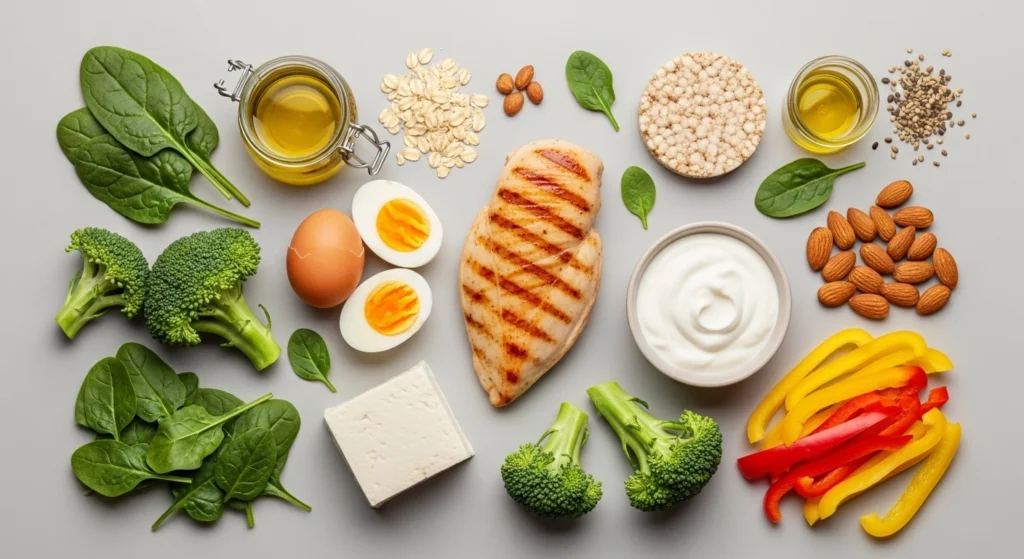
Not all proteins are created equal when it comes to calorie content. Focus on these lean options:
- Skinless chicken breast and turkey
- Fish and shellfish (cod, tilapia, shrimp, tuna)
- Egg whites (with some whole eggs for nutrients)
- Plain Greek yogurt and cottage cheese
- Tofu and tempeh
- Lean cuts of beef and pork (sirloin, tenderloin)
- Legumes like lentils, chickpeas, and black beans
These proteins provide substantial nutrition without the extra calories that come with fattier cuts of meat or processed options.
Healthy Cooking Methods That Keep Calories Low
How you prepare food can dramatically impact its calorie content. These cooking techniques add minimal calories while maximizing flavor:
Grilling creates delicious char and smoky flavors without added fats. Baking and roasting allow foods to develop deep, caramelized flavors using just a light coating of oil or cooking spray. Steaming preserves nutrients while keeping calories low. Stir-frying can be done with minimal oil when using a non-stick pan or wok. Slow cooking develops rich flavors through long cooking times rather than added fats.
Avoid deep frying, heavy cream sauces, and excessive oil, which can quickly add hundreds of calories to otherwise healthy meals.
According to Harvard Health, consuming adequate protein can help you feel full longer, support muscle maintenance, and promote overall healthy weight management.
How to Add Flavor Without Adding Calories
Many people worry that reducing calories means sacrificing taste, but that’s simply not true. These ingredients add big flavor with minimal calorie impact:
- Fresh and dried herbs (basil, cilantro, oregano, rosemary)
- Spices (cumin, paprika, turmeric, cinnamon)
- Citrus juice and zest (lemon, lime, orange)
- Vinegars (balsamic, apple cider, rice wine)
- Garlic, ginger, and onions
- Hot sauce and mustard
- Low-sodium soy sauce or coconut aminos
Experiment with different flavor combinations to keep your healthy high protein recipes interesting and satisfying.
Why Vegetables Should Fill Half Your Plate
Filling half your plate with non-starchy vegetables is one of the best strategies for creating low calorie high protein meals that satisfy. Vegetables provide:
- Volume and fiber that increase fullness
- Essential vitamins and minerals
- Antioxidants that support overall health
- Very few calories, allowing you to eat larger portions
Good choices include leafy greens, broccoli, cauliflower, bell peppers, zucchini, asparagus, green beans, and Brussels sprouts.
Plan and Prep for Success
High protein meal prep is a game-changer for maintaining healthy eating habits when life gets busy. Set aside a few hours on the weekend to:
- Cook several protein sources (grilled chicken, hard-boiled eggs, baked tofu)
- Wash and chop vegetables
- Prepare whole grains like quinoa or brown rice
- Make a big batch of soup, chili, or casserole
- Portion meals into containers for grab-and-go convenience
Having healthy options ready to eat makes it much easier to stick with your nutrition goals throughout the week.
For a comforting option that still fits into a balanced eating plan, this Mulligatawny soup with a 10-minute prep is a hearty, protein-rich meal that works well for lunch or dinner.
Don’t Forget Healthy Fats in Moderation
While keeping calories in check is important, don’t eliminate fat entirely. Small amounts of healthy fats help with nutrient absorption, hormone production, and satisfaction. Include modest portions of:
- Avocado
- Nuts and seeds
- Olive oil
- Fatty fish like salmon
The key is portion control. A tablespoon of olive oil, a quarter of an avocado, or a small handful of nuts provides health benefits without derailing your calorie goals.
Creating Healthy Family Meals Everyone Will Love
One common challenge is preparing low calorie high protein meals that appeal to everyone in the household, especially children who may be picky eaters. Here are strategies for making nutritious food family-friendly:
Involve kids in meal planning and preparation. Children are more likely to eat foods they helped choose and make. Let them pick vegetables at the store or help measure ingredients.
Offer familiar flavors with a healthy twist. Turn chicken nuggets into baked chicken tenders with a crunchy coating. Replace beef tacos with turkey or fish tacos. Make pizza with a cauliflower crust and lean protein toppings.
Keep some components separate. Build-your-own bowls let family members customize their meals while ensuring everyone gets adequate protein and vegetables.
Don’t be a short-order cook. Serve one meal but include at least one or two items you know each family member enjoys alongside new options.
Be patient with new foods. Research shows children may need to try a new food many times before accepting it. Keep offering vegetables and lean proteins in different preparations.
Making Low Calorie High Protein Meals Work for Your Lifestyle
The best eating plan is one you can maintain long-term. These meals support weight management, energy levels, and overall health, but they work best when adapted to your preferences and schedule.
If you’re always on the go, focus on meal prep recipes that travel well. If you love cooking, experiment with new lean protein dinner ideas and vegetable preparations. If budget is a concern, choose economical proteins like eggs, canned tuna, beans, and chicken thighs (with skin removed).
Remember that healthy eating isn’t about perfection. It’s about making nutritious choices most of the time while still enjoying food and life. Low calorie high protein meals provide a framework that supports your health goals while offering flexibility and variety.
When cooking at home isn’t an option, finding safe and healthy places to eat out matters—especially for families. This guide on gluten free restaurants near you highlights convenient spots with dedicated gluten-free menus.
Sustainable Healthy Eating Starts with Protein
Low calorie high protein meals offer a practical, sustainable approach to weight management and overall wellness. By prioritizing lean proteins, incorporating plenty of vegetables, and using smart cooking methods, you can create satisfying dishes that nourish your body without excess calories.
The ten recipes shared here demonstrate that healthy eating doesn’t mean deprivation or bland food. From Asian-inspired stir-fries to comforting chili, from fresh poke bowls to protein-packed pancakes, there are endless delicious options for every meal and preference.
Start by trying one or two new recipes this week. As you discover which meals your family enjoys most, you’ll naturally build a rotation of go-to healthy high protein recipes that make nutritious eating effortless. Combined with regular physical activity and a balanced lifestyle, these meals support your journey toward better health and sustained energy for all of life’s adventures.
Remember, small consistent changes lead to lasting results. Each nutritious meal is an investment in your health and the wellbeing of your family.